What if the air inside your home was actually more contaminated than the air outside? It’s a startling thought, but for most homes, it’s the reality. Our houses are built to be more energy-efficient than ever, sealed tight to keep the elements out. While this is great for our energy bills, it also means that airborne pollutants and allergens get trapped inside with us, with nowhere to go.
Over time, these trapped pollutants can trigger a wide range of health issues. For many, this includes sneezing, itchy eyes, and a runny nose. For others, especially those with asthma or other respiratory conditions, the effects can be much more severe, leading to breathing difficulties and other chronic problems.
The good news is that you can significantly improve your home’s air quality by understanding the most common indoor allergens and pollutants and taking a few precise steps to eliminate them.
Common Indoor Allergens and Pollutants to Be Aware Of
Several key allergens are notorious for making themselves at home in your home. These include dust mites, pet dander, mold and mildew, volatile organic compounds, and even cockroaches.
Dust Mites
If the thought of microscopic, spider-like creatures living in your bed makes your skin crawl, you might want to sit down. House dust mites are one of the most common indoor allergens, and they thrive in the warm, humid environments we create for ourselves. They don’t bite or sting, but they leave behind waste and their own decaying bodies. These tiny particles are then easily stirred into the air when you make your bed, walk on the carpet, or fluff a pillow.
For those who are allergic, inhaling dust mites triggers an immune response, leading to symptoms like sneezing, a stuffy or runny nose, and itchy and watery eyes. These pollutants can also be a major trigger for asthma attacks, especially in children.
Pet Dander
We adore our furry, feathered, and four-legged family members, but they can be a significant source of allergens. The culprit isn’t their hair, as many believe, but rather their dander — a combination of tiny flecks of skin, dried saliva, and urine. Because these particles are incredibly small and lightweight, they can remain suspended in the air for hours and easily stick to furniture, bedding, and clothing. In addition to causing common allergy symptoms, pet dander can also make a person break out in hives or suffer from skin rashes.
Mold and Mildew
Mold is a type of fungus that reproduces by releasing tiny spores into the air. These spores are present nearly everywhere, both indoors and out. They only become a problem when they land on a wet or damp surface inside your home and begin to grow. You need to be especially aware of potential mold growth in bathrooms, basements, laundry rooms, and kitchens, and mold spores love moisture. High indoor humidity (above 50%) can also encourage mold growth on walls, carpets, and furniture.
Inhaling mold spores can cause allergic reactions, including nasal congestion, wheezing, and eye irritation. For individuals with compromised immune systems or chronic lung illnesses, mold infections can be more serious. Some molds also produce mycotoxins, which can cause more severe health effects with prolonged exposure.
Volatile Organic Compounds (VOCs)
VOCs are gases emitted from certain solids or liquids. That “new car smell” or the scent of fresh paint? Those are actually VOCs, which can have short- and long-term adverse health effects.
Other examples of sources of VOCs include varnishes, cleaning supplies, air fresheners, and pesticides. They are also released from new furniture, carpeting, and building materials like pressed wood products. Even office equipment like copiers and printers can emit VOCs.
Health effects can vary widely depending on the specific chemical and the length of exposure. Short-term exposure can cause eye, nose, and throat irritation, headaches, dizziness, and nausea. Long-term exposure to certain VOCs is suspected to cause damage to the liver, kidneys, and central nervous system.
Cockroaches
Like dust mites, the allergy trigger from cockroaches isn’t the insect itself, but the proteins found in their saliva, droppings, and decomposing bodies. These particles mix with household dust and become airborne. They then trigger an array of asthma and allergy symptoms.
How to Get Rid of Indoor Air Pollutants
Now that you’ve identified the most common indoor allergens in your home, it’s time to evict them. And a multi-pronged approach is the most effective way to reduce the number of indoor pollutants:
Control the Source
The first step is always to remove or reduce the source of the allergen.
- For Dust Mites: Encase mattresses, box springs, and pillows in allergen-proof zippered covers. Wash all bedding, including blankets and mattress pads, in hot water (at least 130°F) weekly.
- For Pet Dander: If possible, keep pets out of the bedroom. Bathe your pets regularly, as recommended by your veterinarian.
- For Mold: Fix all water leaks immediately. Use exhaust fans in bathrooms and kitchens to vent moisture outside. Keep indoor humidity levels below 50% using a dehumidifier if necessary. And clean any visible mold with a detergent and water solution.
- For VOCs: Choose “low-VOC” or “no-VOC” paints, sealants, and furnishings whenever possible. When you bring new furniture home, let it air out in a well-ventilated space like a garage before bringing it inside. Store chemicals, solvents, and pesticides outside of your main living area.
- For Cockroaches: Keep a clean kitchen, ensuring food is stored in sealed containers and crumbs are cleaned up promptly. Fix any plumbing leaks to cut off their water supply. Use baits and traps to eliminate infestations, or call a professional exterminator.
Clean Smarter, Not Harder
Your cleaning routine can either help or hurt your air quality. Keep these tips in mind when blitzing through your household chores:
- Vacuum Regularly: Use a vacuum cleaner with a HEPA (high-efficiency particulate air) filter. This is crucial, as standard vacuums can just spew smaller allergenic particles back into the air. With a HEPA filter vacuum, vacuum carpets, rugs, and upholstered furniture at least once or twice a week.
- Damp Dust: Use a damp or oiled mop and cloth for dusting surfaces. A dry cloth tends to just stir dust into the air, while a damp one traps it.
- Reduce Clutter: Fewer objects lying around means fewer places for dust and allergens to collect.
Ventilate Your Home
Bring in the fresh air! As we discussed, pollutants get trapped indoors. Opening windows and doors for even a short time each day can help to flush out contaminated indoor air and bring in cleaner air (assuming it’s not a high-pollen day). Using kitchen and bathroom exhaust fans is also a key part of a good ventilation strategy.
Consider Air Purification
While portable air purifiers can offer relief in a single room, a more powerful and comprehensive solution is a whole-home air filtration system. These systems are professionally installed to work in tandem with your existing HVAC unit. As your furnace or air conditioner runs, the filtration system cleans the circulated air before it’s delivered to you so that you don’t have to worry about breathing in common indoor allergens and pollutants.
Improve Your Home’s Air With Expert HVAC Solutions
When it comes to indoor air quality, your home’s HVAC system plays a critical role. In fact, as it circulates heated and cooled air, it also picks up dust, dander, and mold spores and distributes them throughout every single room in your home. If your ductwork is dirty or your filter is clogged, the problem only worsens.
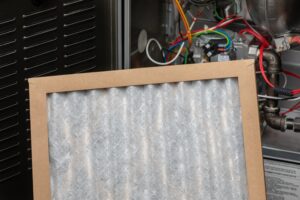
But before you start feeling all hope is lost, know that your heating and air conditioning system can also be your most powerful ally in the fight for clean air. A properly maintained system with a high-quality filter can capture airborne particles before they can be recirculated. If you pair the system with advanced solutions like a whole-home air purifier and UV germicidal light, you can have peace of mind knowing that your system is capturing and neutralizing contaminants before they ever reach your living spaces.
If you are serious about improving your home’s air quality and reducing the allergens that are making your family sick, call on the experts at H.J. Faust for solutions that keep your HVAC in prime condition. We can provide necessary maintenance and recommend the right air filtration and purification solutions for your specific needs. Reach out today to schedule a consultation and take the first step toward cleaner, fresher, and healthier air.