When most homeowners think about their heating and cooling systems, they focus on the final result: a perfectly chilled living room in July or a toasty bedroom in January. We obsess over the thermostat settings and the speed of the airflow, but we often overlook one of the most critical components of the entire HVAC system — the air filter. While it may seem like a small and simple part of your system, the air filter plays a major role in protecting your HVAC equipment from dust, debris, and airborne contaminants.
Without proper filtration, these particles can build up inside your HVAC system over time. This buildup restricts airflow, reduces efficiency, and forces your system to work harder than necessary. As a result, components experience increased strain, leading to premature wear and a higher likelihood of breakdowns.
If you’re looking to avoid these problems and enhance the performance of your heating and cooling equipment, explore why proper air filtration is essential for keeping your HVAC system running efficiently for years to come.
How Air Filters Protect HVAC Components From Damage
Your HVAC system is made up of several important components, including the blower motor, evaporator coil, and ductwork. Each of these parts helps maintain comfortable indoor temperatures, but they’re also vulnerable to dust and debris.
Air filters act as the first line of defense for these components by trapping contaminants before they enter the system. When functioning properly, a clean filter prevents particles from settling on sensitive components like coils and motors. This is especially important because even a thin layer of dust on an evaporator coil can reduce its ability to absorb heat, directly impacting system performance.
Additionally, dust buildup on moving parts like the blower motor can cause friction and overheating. Over time, this can lead to costly repairs or even complete system failure. By simply maintaining a clean air filter, homeowners can significantly reduce the risk of damage and extend the lifespan of their HVAC system.
The Impact of Poor Filtration on System Efficiency and Energy Costs
When an air filter becomes clogged or is not effective enough, airflow becomes restricted. This means your HVAC system has to work harder to push air through the filter and throughout your home. This increased workload not only puts unnecessary strain on components but also leads to higher energy consumption. In fact, a dirty air filter is one of the most common causes of reduced HVAC efficiency.
By maintaining proper filtration, homeowners can keep their systems running efficiently, reduce energy costs, and avoid unnecessary wear on their equipment.
Common Signs Your Air Filter Needs to Be Replaced
Knowing when to replace your air filter is key to protecting your HVAC system. Fortunately, there are several clear signs that indicate it’s time for a change:
- Reduced Airflow From Vents: If you notice weak airflow, your filter may be clogged.
- Increased Dust in Your Home: A dirty filter can no longer effectively capture airborne particles.
- Higher Energy Bills: A sudden spike in energy costs may point to reduced system efficiency.
- Frequent System Cycling: Your HVAC system may turn on and off more often as it struggles to maintain the correct temperature.
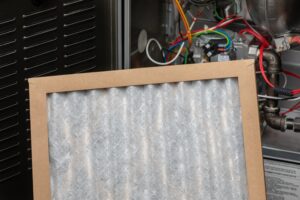
- Visible Dirt on the Filter: If the filter looks gray or clogged, it’s time for a replacement.
How Often Should Homeowners Replace Their Air Filters?
Most standard air filters should be replaced every 1 to 3 months. Homes with pets, allergy sufferers, or higher levels of dust may require more frequent changes.
It’s also important to consider seasonal usage. During periods of heavy HVAC use, such as summer and winter, filters tend to collect more debris and may need to be replaced more often.
Setting a reminder to check your filter monthly can help ensure it’s always in good condition.
Boost System Performance With a Whole-Home Air Purification System
While standard air filters do an excellent job of capturing larger particles, they may not be as effective at removing smaller contaminants like bacteria, allergens, and microscopic pollutants. Thankfully, whole-home air purification systems exist to fill in the gaps.
These advanced systems work alongside your HVAC unit to improve indoor air quality and provide an additional layer of protection. Depending on the type of system, they can target airborne particles, neutralize odors, and even eliminate certain pathogens.
By reducing the number of contaminants circulating through your system, air purification systems help keep internal components cleaner for longer periods. This not only improves efficiency but also reduces strain on your HVAC system.
For homeowners looking to maximize both comfort and system longevity, investing in a whole-home air purification system can be a smart and worthwhile upgrade.
Protect Your HVAC System With Proper Air Filtration
Maintaining proper air filtration is one of the simplest yet most effective ways to extend the life of your HVAC system and improve indoor air quality. And to make things even better, our experienced technicians at H.J. Faust, Inc. are just a call away to maximize system performance. Whether you need assistance choosing the right air filter, scheduling routine maintenance, or installing a whole-home air purification system, we have the expertise to get the job done right.
Contact us today to schedule professional HVAC maintenance and ensure your system stays efficient, reliable, and built to last.