When it’s time to invest in a new HVAC system for your home, you have an array of options to choose from. One popular option that homeowners are turning to is the dual-fuel heat pump. This innovative system combines an electric heat pump with a traditional gas furnace, making it particularly well-suited for the variable climate of Burlington, WI. By intelligently switching between its two fuel sources, a dual-fuel system can keep your home comfortable all year long while significantly saving you money on your utility bills.
If you’re wondering if a dual-fuel HVAC system is right for your home, keep reading to find out exactly how it works, the substantial benefits it offers, and why it may not be suited for every household.
How Does a Dual-Fuel Heat Pump Work?
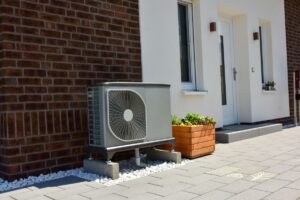
The magic of a dual-fuel system lies in its ability to automatically select the most economical fueling source at any given time. During the hot and humid Wisconsin summers, the system functions just like a standard central air conditioner. The electric heat pump unit outside works to pull heat and moisture from inside your home and transfer it outdoors, leaving you with cool, comfortable air.
When the weather is cool but not yet freezing (typically above 35-40°F), the heat pump reverses its operation. Instead of pulling heat out of your home, it extracts ambient heat from the outdoor air (yes, even when it’s cold!) and transfers it inside. This method of heating is remarkably efficient because it’s moving existing heat rather than creating it from scratch through combustion or electric resistance. For the majority of the heating season in Burlington, the heat pump can handle the workload. This results in significantly lower energy consumption and reduced utility bills during the milder months.
When the Wisconsin winter really sets in and temperatures plummet below that 35°F threshold, the efficiency of an electric heat pump starts to decline. A dual-fuel system will detect the drop in temperature and automatically switch off the heat pump and turn on the secondary heating source: the high-efficiency gas furnace. The furnace quickly and powerfully heats your home even on the coldest days. Once the outside temperature rises back above the set point, the system seamlessly switches back to the more efficient heat pump.
The Benefits of a Dual-Fuel System
Homeowners who opt for a dual-fuel HVAC system enjoy a multitude of advantages, including:
Significant Energy Savings
By relying on the hyper-efficient heat pump for the majority of the year, you drastically cut down on your consumption of natural gas or propane. The system reserves the more intensive fuel source only for when it’s absolutely necessary. This optimized energy use translates directly into lower monthly utility bills. Because of this, many homeowners report saving significantly on their heating costs compared to a traditional furnace-only system.
Enhanced Home Comfort
A dual-fuel system provides a more consistent and comfortable indoor environment. It does so by relying on a heat pump the majority of the time to maintain a steady temperature. When the coldest nights sweep in, the gas furnace delivers a powerful blast of heat to eliminate any worries about the heat pump struggling to keep up. Overall, you get the best of both worlds with a dual-fuel HVAC system.
Increased System Lifespan
Because the heating workload is split between two different units, there is less wear and tear on each individual component over its lifetime. This shared responsibility can lead to a longer operational lifespan for your entire HVAC system, reducing the frequency of costly repairs and premature replacements.
Environmental Friendliness
For the eco-conscious homeowner, a dual-fuel system is a fantastic choice. By maximizing the use of the electric heat pump, you are reducing your consumption of fossil fuels (natural gas or propane). This leads to a smaller carbon footprint for your household. Plus, as the electrical grid continues to incorporate more renewable energy sources like wind and solar, the environmental benefits of using an electric heat pump will only grow over time.
Flexibility and Peace of Mind
With a dual-fuel system, you’re not locked into a single energy source. If natural gas prices spike one winter, you can rely more on the electric heat pump. If electricity rates go up, you have the gas furnace as a powerful backup. This flexibility provides a hedge against volatile energy markets and gives you peace of mind knowing you have a reliable and efficient heating system regardless of external factors.
Is a Dual-Fuel System a Good Fit for Everyone?
While the benefits are compelling, a dual-fuel HVAC system isn’t the perfect solution for every single home. The primary disadvantage for many is the upfront cost. A dual-fuel system involves purchasing and installing two major pieces of equipment — a heat pump and a furnace. This naturally makes the initial investment higher than that of a standalone furnace and air conditioner.
However, it’s crucial to view this as a long-term investment. The significant monthly savings on your utility bills will offset the higher initial cost over time, eventually paying for itself. Federal tax credits and local utility rebates for high-efficiency equipment can also help to reduce the initial financial burden.
Find the Perfect HVAC Solution With H.J. Faust
If you want to learn more about the benefits of a dual-fuel heat pump or are uncertain about which heating and cooling system would be the best fit for your home, we encourage you to get in touch with our experts. At H.J. Faust, Inc., we don’t just sell equipment; we provide solutions. Our experienced technicians will conduct a thorough assessment of your home, discuss your comfort preferences and budget, and analyze your potential energy savings to recommend the perfect system for you.
Contact us today for a quote on a dual-fuel heat pump installation and take the first step toward a more comfortable and energy-efficient home.