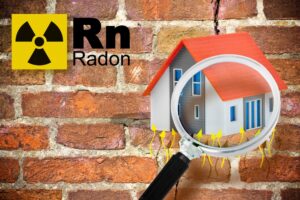
Radon is one of the most common indoor air quality concerns facing homeowners today, yet it is often misunderstood. Because radon cannot be seen or smelled, many people are surprised when testing reveals elevated levels inside their home. Understanding what causes radon in a house and how it enters living spaces is the first step toward reducing risk and protecting long-term health.
Radon issues can affect homes of any age, size, or construction type. Newer construction, homes with older basements, and even well-maintained properties with modern HVAC systems may still experience radon buildup. Learning how radon behaves and how it interacts with heating and air systems helps homeowners make informed decisions.
What Is Radon, and Why Does It Form Indoors?
Radon is a naturally occurring gas released from soil as radioactive material breaks down underground. As this gas rises, it can move toward buildings and enter through openings in the foundation. Once inside, radon may become trapped, especially in areas with limited ventilation.
Indoor air pressure plays a key role in radon accumulation. Homes often create lower pressure than the surrounding soil, which allows radon to flow inward. Heating system operation, weather conditions, and air movement inside the home all influence how radon behaves once it enters.
Common Entry Points for Radon in a House
Radon usually enters through the lowest level of a structure. Basements and crawl spaces are the most common areas where radon is detected, but the gas can spread throughout the home.
Typical Radon Entry Locations
- Cracks in basement floors or walls
- Gaps around plumbing pipes and drain openings
- Spaces near sump pits or floor drains
- Construction joints and foundation seams
- Areas where duct or utility lines pass through concrete
Once radon enters, airflow patterns created by HVAC systems can distribute it to other living areas. This is why radon may be detected on upper floors even though it enters near the ground.
How HVAC Systems Affect Radon Levels
Heating and air systems influence indoor pressure and airflow, which directly affects radon movement. For example, a furnace, boiler, or heat pump may create pressure differences that draw radon into the home, especially during colder months when windows remain closed.
Air conditioning systems and duct networks circulate air throughout the home. While this circulation does not create radon, it can spread radon once it enters.
The Role of Basements and Crawl Spaces
Basements are a primary concern because they sit closest to the soil. Even finished basements with flooring and walls can allow radon entry through small cracks or hidden gaps.
Crawl spaces pose similar risks, especially when exposed soil is present. Moisture, limited airflow, and building design all contribute to radon accumulation in these spaces. Sealing visible openings helps, but sealing alone rarely solves the issue without additional mitigation.
How Home Features Influence Radon Entry
Several home features can affect how radon enters and moves through a house. Plumbing penetrations through concrete floors and walls, for example, are common entry points. Drain lines, sump systems, and utility access points also create pathways for soil gas.
Heating equipment location also matters. A heating system placed in a basement can increase air movement that draws radon inward.
Why Radon Levels Vary Between Homes
Two neighboring houses can have very different radon levels. This is because soil composition, foundation design, and construction quality all influence how radon behaves. Additionally, energy-efficient homes that are tightly sealed may experience higher radon levels because reduced ventilation allows gas to build up.
This variability is why testing is the only reliable way to know if radon is present. Home age, heating system type, or previous renovations do not reliably predict radon risk.
What You Can Do to Reduce Radon Risk
Addressing radon involves a combination of testing, mitigation, and airflow management. Professional radon mitigation systems are the most effective way to lower radon levels inside a home.
Steps Homeowners Can Take
- Schedule professional radon testing.
- Seal visible cracks in basement floors and walls.
- Maintain HVAC systems to support balanced airflow.
- Address moisture and drainage issues near the foundation.
- Install a radon mitigation system when recommended.
Radon mitigation systems work by redirecting radon before it enters living areas. These systems often involve vent pipes and fans that safely release radon above the roofline.
Ongoing Awareness
Once radon mitigation is installed, ongoing vigilance remains important. Periodic testing helps confirm that radon levels remain low. Home changes, such as remodeling, foundation repairs, or heating system upgrades, can alter airflow and pressure.
When to Request Professional Help
Homeowners should request professional assistance after receiving elevated radon test results or when purchasing a home. Radon concerns can also arise after changes to heating and air systems, basement finishing, or major construction projects.
Schedule Radon Services With H.J. Faust, Inc.
If you want to learn more about what causes radon in a house or are concerned about indoor air quality, professional guidance can make a meaningful difference. H.J. Faust offers radon mitigation services supported by experience in HVAC systems, airflow management, and home services. Contact us today to request testing or discuss solutions that support a healthier indoor environment.