Radon exposure is a growing concern for homeowners who want to protect their indoor air quality and long-term health. And after receiving test results showcasing high levels of radon, many property owners ask the same question: does radon mitigation work, and what are the most effective ways to remove radon from a home?
The short answer is, yes, radon mitigation works when the system is properly designed and installed. Understanding how mitigation systems function and how they fit into broader home services like HVAC, ventilation, and airflow control helps homeowners make informed decisions.
How Radon Enters the Home
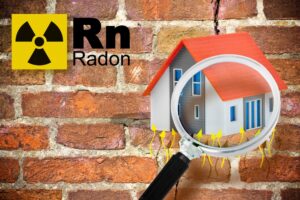
Radon forms naturally in soil and rock and travels upward through the ground. When a home has cracks or openings around plumbing and duct penetrations, radon can be drawn inside.
Basements are common entry points, but radon can also move through crawl spaces and slab foundations. Once inside, poor airflow and limited ventilation allow radon levels to rise, affecting indoor air quality across the entire home.
How Radon Mitigation Systems Work
Radon mitigation systems reduce radon by redirecting it before it enters living spaces. Most residential systems rely on active soil depressurization, which changes pressure beneath the foundation, so radon gas flows outside instead of indoors.
A typical radon mitigation system includes a vent pipe, a fan, and suction points beneath the foundation. The fan runs continuously, pulling radon from below the home and releasing it safely above the roofline. When installed correctly, these systems can significantly lower radon levels within days.
Why Radon Mitigation Is Effective
Radon mitigation works because it addresses the pressure imbalance that allows soil gas to enter the home. By controlling airflow and pressure, the system reduces radon at the source rather than masking the problem.
Professional installation matters because every home is different. Foundation design, soil conditions, and existing HVAC systems all influence how radon moves. A properly designed system accounts for these variables and supports reliable performance over time.
Best Practices for Radon Removal
There are several proven methods for radon removal, with system selection based on home design and test results.
Common Radon Mitigation Approaches
- Sub-slab depressurization for slab foundations and basements
- Crawl space mitigation using a sealed vapor barrier and suction
- Passive systems that can be activated later, if needed
- Ventilation adjustments to improve airflow and pressure balance
Active systems are the most common and typically the most effective. Passive systems may work in some cases, but active mitigation provides more consistent results in most homes.
The Role of Ventilation and Airflow
Ventilation plays a key role in radon control. While ventilation alone rarely solves radon problems, it supports mitigation by reducing indoor concentrations and improving air circulation.
Homes with modern residential HVAC systems, smart thermostat controls, and sealed construction often benefit from professional airflow evaluation. Adjustments to duct design, return air placement, or system operation may support radon reduction efforts while improving comfort.
How Maintenance Affects Radon Mitigation Performance
Radon mitigation systems require minimal maintenance, but periodic checks help confirm continued operation. Fans should run continuously, and system indicators should be monitored.
Maintenance also extends to related home systems. HVAC maintenance, plumbing inspection around foundation penetrations, and sealing visible cracks all support radon reduction. Coordinating these services helps protect indoor air quality long-term.
Long-Term Benefits of Radon Mitigation
Radon mitigation provides lasting benefits beyond immediate test results. For example, lower radon levels reduce long-term health risks and improve confidence in the safety of indoor spaces.
Homes with mitigation systems may also appeal to buyers who prioritize indoor air quality and reliable home services. A professionally installed system demonstrates proactive care and responsible maintenance.
When to Request Professional Radon Mitigation
Homeowners should request professional radon mitigation after receiving elevated test results or when buying or selling a home. New construction and older homes alike can experience radon issues, regardless of heating system type or age.
Professional evaluation helps determine the right mitigation approach and avoids unnecessary modifications. It also supports compliance with recommended guidelines and performance standards.
Schedule Radon Mitigation Services With H.J. Faust, Inc.
If radon testing has raised concerns about your indoor air quality, professional mitigation can make a measurable difference. H.J. Faust, Inc. provides trusted radon mitigation services backed by experience in HVAC systems in Burlington, WI. Contact us today to learn more or schedule an evaluation and take the next step toward a healthier indoor environment.